BC Hydro Electricity Rate Increase 2026: The Complete Survival Guide
If your latest residential hydro statement made you double-check your energy usage, you aren’t alone. Driven by the massive province-wide push toward electrification, including the rapid adoption of electric vehicles (EVs) and heat pumps, British Columbia’s electrical grid is feeling the strain.
At the Electricity Council of Canada (ECC), we believe the best way to handle rising utility costs is to stay informed. Here is your comprehensive breakdown of the changes, the rate options available to you, and how you can take control of your energy profile.
The 3.75% Net Bill Increase in 2026
Effective April 1, 2026, BC Hydro implemented a 3.75% net bill increase for residential customers across the province. This adjustment represents an annual base rate increase of 0.59% blended with significant changes to the "rate riders" (the regulatory deferral accounts used to balance utility income).
For the average B.C. household paying around $100 per month, this rate hike tacks on roughly $3.75 more every single month. While an extra few dollars a month may not trigger immediate panic, it marks the second consecutive year of a 3.75% hike. In a world where groceries, housing, and general inflation are already squeezing household budgets, these compounding rate increases mean your electricity bills are securely trending higher over the next decade.
Navigating the Grid: 3 Residential Rate Types
To manage your bill under the BC Hydro Electricity Rate Increase, you need to make sure you are on the right rate plan. BC Hydro offers three main residential choices, each suited to different lifestyle habits:
1. Tiered Rate
This is the traditional default rate structure for most homes.
How it works: You pay a lower price (Step 1: ~11.87¢/kWh) for the first 1,376 kWh of energy you consume during a billing cycle. If you exceed that threshold, every additional kWh is billed at a higher premium (Step 2: ~14.08¢/kWh). Best for: Average or low-energy households who consistently stay within the Step 1 limit.
2. Flat Rate
As part of BC Hydro's structural rate evolution, the flat rate option has been expanded to all standard residential customers.
How it works: You bypass the tiered penalty system entirely. Every single kilowatt-hour you consume is billed at the exact same uniform rate, regardless of how much power you draw. Best for: High-energy households, multi-family homes, or those running large ducted heat pumps who always find themselves trapped in the expensive Step 2 tier.
3. Time-of-Day Pricing
This newer, optional framework rewards you for being conscious of when you pull power from the grid.
How it works: You receive a 5¢/kWh discount on electricity consumed during off-peak hours overnight (11 PM to 7 AM). Conversely, you face a 5¢/kWh surcharge during the high-demand evening peak (4 PM to 9 PM). Best for: Homeowners who can easily automate major energy draws, such as scheduling EV charging or running laundry machines late at night.
What is BC Hydro Self-Generation?
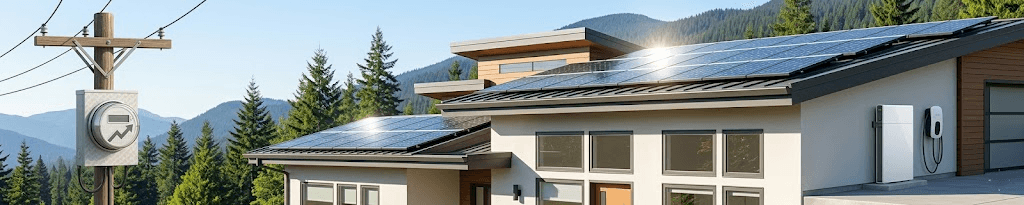
The single most effective way to opt out of the utility rate climb is to stop buying your energy and start making it. This is known as BC Hydro Self-Generation. By installing a rooftop solar array, your home generates 100% clean, localized electricity.
However, if you are looking into self-generation, you must prepare for a significant regulatory shift. Effective July 1, 2026, BC Hydro is officially closing the old Net Metering pathway (Rate Schedule 1289) to new applicants and launching the new Self-Generation Service Rate (Rate Schedule 2289).
- The Old System (Net Metering): Credited you for your excess summer solar generation at full, equal retail utility rates.
- The New 2026 System (Net Billing): Under the Self-Generation rate, BC Hydro will purchase your excess exported energy at a fixed price of 10¢ per kWh, compensated directly on every individual billing cycle. Because 10¢ is lower than the standard retail cost of power, the strategy for maximizing your solar return has changed.
Does Battery Storage Help Lower Energy Bills?
With the arrival of Net Billing, the answer is an absolute yes. Coupling your solar system with smart solar battery storage BC savings systems is no longer an optional luxury, it is the core engine of your financial return.
A smart battery backup lowers your energy bills in two distinct ways:
Defeating Net Billing Deductions: Instead of selling your valuable daytime solar generation back to BC Hydro for the lower 10¢ rate, your battery captures that surplus. You can then use that stored energy at night, effectively saving yourself the full retail cost of ~14¢/kWh.
Crushing Time-of-Day Surcharges: If you choose the Time-of-Day rate plan, a battery allows you to perform legal energy arbitrage. You can charge the battery using cheap 5¢-discounted grid power overnight or free solar during the day, then completely isolate your home from the grid during the expensive 4 PM to 9 PM peak window.
Beyond the financial savings, a battery provides absolute climate resilience, keeping your home fully powered when intense coastal storms or seasonal weather events disrupt the local grid.
Take Control of Your Energy Costs
You cannot stop BC Hydro from raising its rates, but you can change how much power you buy from them. Whether you need to switch your rate plan or look into generating your own power, proactive changes today yield major returns tomorrow.
Want to see how much you could save? Contact the Electricity Council of Canada today. Our advisors will run a custom, zero-obligation assessment of your home’s energy profile, determine which of the 3 rate types fits your lifestyle, and calculate your exact path to self-generation.
Frequently Asked Questions
1. Exactly when did the 3.75% rate increase take effect? The 3.75% net bill increase officially went into effect on April 1, 2026. You will see this adjustment fully reflected on your first bi-monthly statement following that date.
2. Can I switch between the Tiered, Flat, and Time-of-Day rates whenever I want? BC Hydro allows you to log into your online account and opt into these different structures, but there are typically tracking restrictions (such as remaining on a chosen plan for a minimum of 12 months) to prevent constant jumping back and forth. Always check your profile dashboard before making a change.
3. What happens if I install solar panels before the July 1, 2026 Self-Generation deadline? If your system is completely registered and integrated before July 1, 2026, you will be grandfathered into the old Net Metering rate schedule (RS 1289) for up to 10 years from your install date, provided you did not accept a direct BC Hydro solar equipment rebate. If you took the rebate, you will automatically transition to the new 10¢ Net Billing rate.