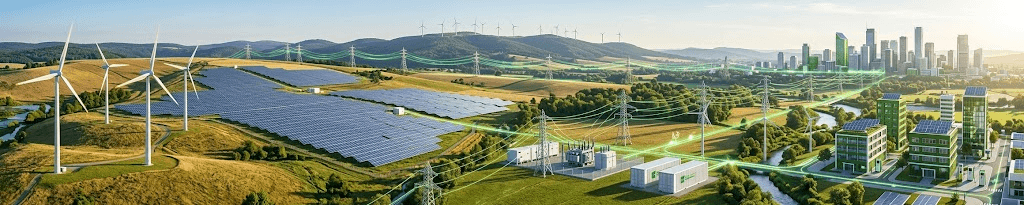
The Next Era of Power: How Clean Energy Generation is Transforming the Grid
The global shift away from fossil fuels has moved energy infrastructure from a traditional utility model into an era of rapid technological innovation. Transitioning to sustainable power is essential for strengthening energy security, lowering long-term operational costs, and reaching critical net-zero climate goals.
What is Clean Energy Generation?
Clean energy generation refers to producing electricity from sources or processes that release zero or minimal greenhouse gases and air pollutants into the atmosphere.
While "renewable energy" specifically describes naturally replenishing resources like sunlight and wind, "clean energy" focuses on the overall emissions profile of the power created. This means clean energy generation includes both naturally recurring sources and ultra-low-emission technologies engineered to replace coal, oil, and natural gas combustion.
Key Types of Clean Energy Generation
Modern power grids rely on a diverse mix of generation technologies to maintain stable, round-the-clock reliability.
1. Solar Power Generation
Solar photovoltaic (PV) panels convert sunlight directly into usable direct current (DC) electricity using semiconductor materials. From residential rooftop arrays to utility-scale solar farms, solar power generation represents one of the fastest-growing and most cost-effective clean energy sources worldwide.
2. Wind Energy Systems
Land-based and offshore wind turbines capture the kinetic energy of moving air and convert it into rotational energy to drive electrical generators. Modern wind energy systems generate substantial power density and integrate cleanly into regional transmission grids.
3. Hydropower & Marine Power
Hydropower harnesses the energy of flowing water through dams or run-of-river turbines. It provides consistent baseline power and quick-dispatch energy storage. Emerging tidal and wave generation technologies also tap into predictable ocean currents.
4. Geothermal & Sustainable Bioenergy
Geothermal plants tap into underground thermal reservoirs to drive steam turbines for heat and continuous power. Sustainable bioenergy utilizes organic materials and waste streams to create low-emission fuel, reducing landfill volume while generating heat and power.
5. Next-Generation Baseline Power
Zero-emission electricity generation increasingly incorporates advanced nuclear reactors and green hydrogen and storage systems. Green hydrogen—produced by splitting water using renewable electricity—acts as a clean fuel for heavy industry and long-duration energy storage.
Benefits of Transitioning to Clean Energy
Replacing fossil-fuel combustion with clean generation yields significant economic, operational, and environmental returns:
- Drastic Emission Reductions: Eliminates carbon dioxide, nitrogen oxides, and particulate air pollution, directly improving public health and the environment.
- Predictable Long-Term Costs: Free natural fuels (sun, wind, and water) shield power producers and consumers from volatile oil and gas price shocks.
- Grid Resilience & Independence: Distributed clean energy generation combined with battery storage protects local communities and commercial facilities against regional grid blackouts.
- Economic & Job Growth: Expanding renewable energy manufacturing, installation, and engineering sectors creates stable, high-paying local jobs.
Accelerate Your Transition to Clean Power
Upgrading your home or business to zero-emission power delivers immediate utility savings and long-term price certainty.
Ready to evaluate clean power options for your property? Speak with an accredited energy consultant today to analyze your site's solar potential, explore local rebates, and design a customized clean energy roadmap.
People Also Ask
1. What is the difference between renewable energy and clean energy?
Renewable energy comes from inexhaustible, naturally replenishing sources like sunlight, wind, and water. Clean energy refers to any power source that operates without generating carbon emissions or air pollution. While almost all renewable energy is clean, clean energy also encompasses non-renewable, zero-emission generation such as nuclear power.
2. Can clean energy generation reliably power a facility 24/7?
Yes. By pairing intermittent renewable generation (like solar and wind) with modern Battery Energy Storage Systems (BESS), pump-hydro, or continuous baseline power (geothermal and hydro), clean energy systems supply uninterrupted, reliable power around the clock.
3. How does clean energy generation lower electricity bills?
Once installed, technologies like solar PV arrays generate electricity at zero marginal fuel cost. By generating power on-site, properties reduce their grid electricity purchases and eliminate costly peak demand charges levied by local utilities.