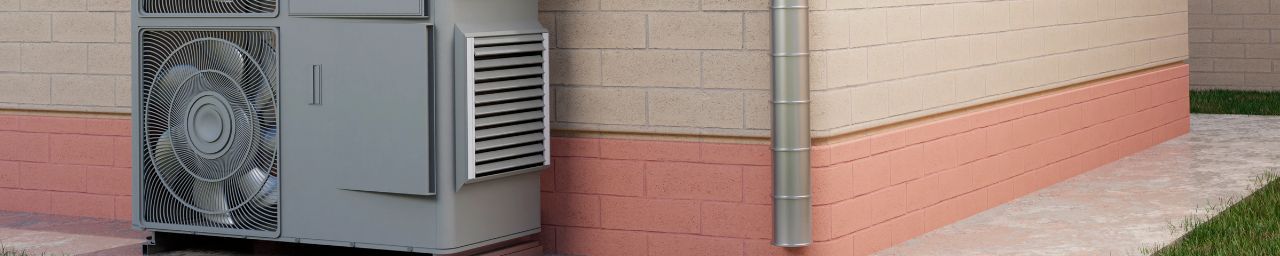
Heat Pump Guide 2026: The Practical Path to Modernizing Your Ontario HVAC
In 2026, the way Ontarians heat their homes is undergoing a massive shift. Between rising natural gas costs and a provincial push toward electrification, the heat pump has moved from a "niche technology" to the gold standard for home comfort.
If you are tired of watching your utility bills climb every winter, upgrading your HVAC system isn't just a home improvement—it’s a survival strategy for your household budget.
What Exactly is a Heat Pump?
Think of a heat pump as a "two-way" air conditioner. While a traditional air conditioner can only move heat from the inside of your house to the outside, a heat pump is reversible. It can extract thermal energy from the outdoor air (even in mid-January) and pump it into your home.
It moves heat rather than creating it through combustion. This makes it incredibly efficient; while a high-efficiency furnace is about 96% efficient, a heat pump can reach efficiencies of 300% or more. In 2026, switching to this technology can slash your heating costs by 40% to 60%.
How the Engineering Works (The Simple Version)
The system operates on a continuous loop of refrigerant:
- Evaporator: Outdoor air contains thermal energy, even when it’s cold. The refrigerant absorbs this heat and turns into a gas.
- Compressor: The gas is squeezed, which makes it extremely hot.
- Condenser: This hot gas flows through your indoor coils, releasing warmth into your vents.
- Expansion Valve: The gas cools back into a liquid and heads back outside to repeat the process.
Debunking the Myth: "Do They Work in Ontario Winters?"
In the 90s, heat pumps struggled in the cold. But in 2026, "Cold Climate" technology has changed everything. Modern units use variable-speed inverters and flash injectors to pull heat from the air even when it’s -25°C outside.
Most high-performance units maintain 100% of their heating capacity down to -15°C, ensuring your indoor comfort never wavers during a standard Ontario cold snap.
2026 Ontario Rebates: Timing is Everything
The 2026 rebate landscape is anchored by the Home Renovation Savings (HRS) program. This initiative, partnered with Enbridge and Save on Energy, offers up to $12,000 in rebates for heat pump installations (depending on your primary heating source).
Depending on the city, homeowners in Toronto can expect an estimated installation cost between $12,000 and $15,000, with the system typically paying for itself through rebates and annual savings of $800 to $1,200 within a 5 to 7-year period.
*Note: These programs are intended to support the transition to electricity and are scheduled to phase out as targets are met. Delaying your upgrade could cost you thousands in lost subsidies.
Hybrid Systems: The Best of Both Worlds
Not ready to? A hybrid heat pump (or dual-fuel system) is the perfect compromise.
Your heat pump handles the heating for roughly 90% of the year.
When temperatures drop into an extreme "deep freeze," your existing gas furnace kicks in as a powerful backup.
This allows you to take advantage of electricity savings without giving up the peace of mind that a furnace provides.
Pairing with your furnace could give you the best heating experience in Ontario Winter.
Common HVAC FAQ 2026
Are heatpump noisy? No. Modern inverters make them about as quiet as a soft hum—much quieter than old-school AC units.
Can it replace my AC? Yes. A heat pump is an air conditioner that just happens to also work in reverse for the winter.
Does it help with humidity? Absolutely. They are excellent at dehumidifying during Ontario’s muggy summers.
Maintenance Tips for Longevity
A well-maintained HVAC system can last 15 to 20 years. To protect your investment:
- Clear the Snow: Ensure the outdoor unit isn't buried in drifts.
- Use a Snow Stand: We install units on 18-inch stands to allow for proper drainage during defrost cycles.
- Change Filters: Replace indoor air filters every 3 months to maintain system efficiency.
An aging heating system doesn't just fail; it "leaks" money out of your vents every month. With rebates reaching record highs in 2026, there has never been a more logical time to upgrade.
Ready to stop overpaying for heat? Book a free home assessment with us today and see how much you can save with a modern heat pump!