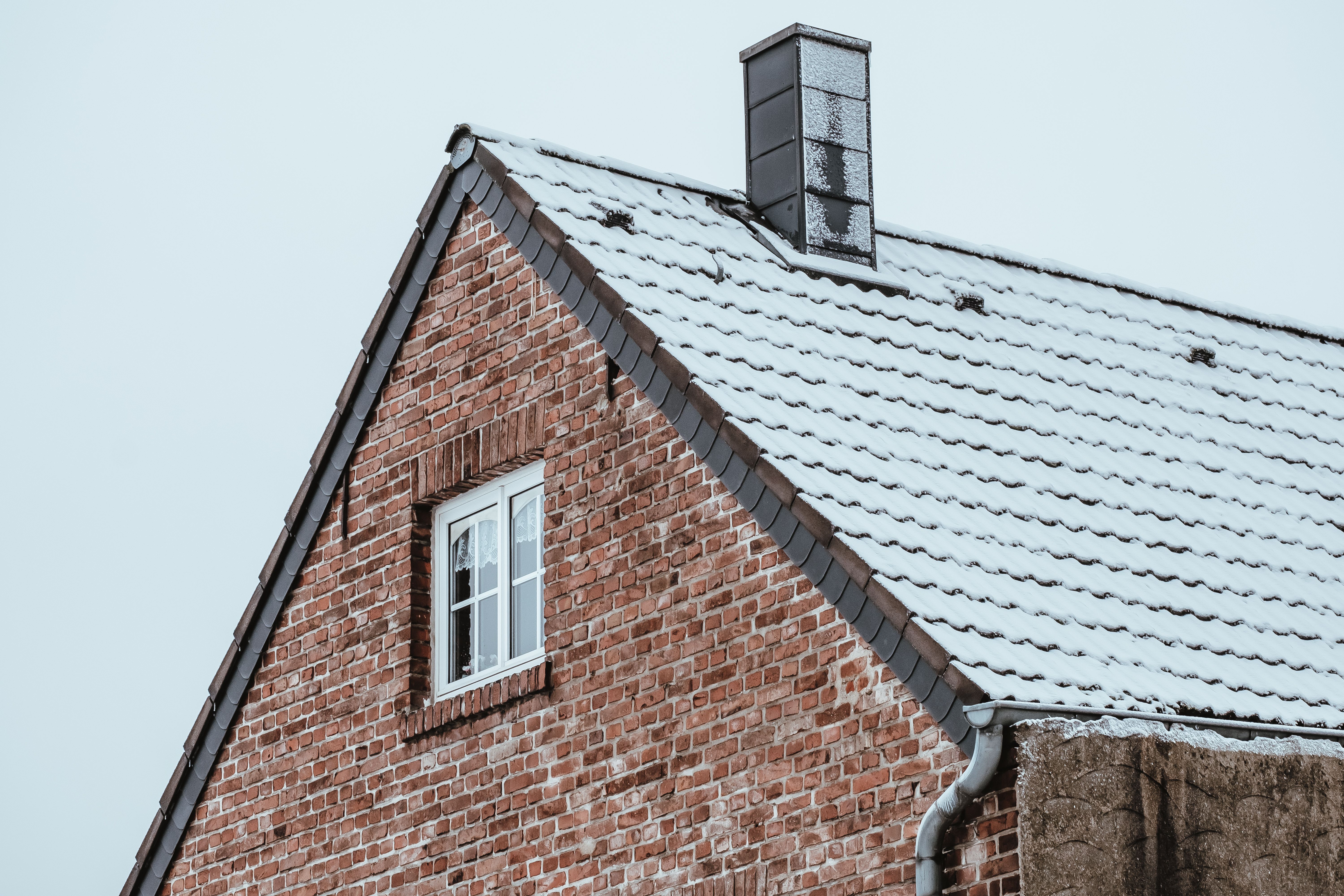
Do You Need a New Roof Before Installing Solar Panels?
Thinking about going solar but unsure if your roof is ready? You’re not alone. One of the most common questions homeowners ask before installing solar panels is: “Do I need to replace my roof first?”
The answer? It depends—but getting it right can save you thousands down the line.
Here’s what you need to know before making the switch to solar.
🧱 1. How Old Is Your Roof?
The age and condition of your roof are critical. Most solar panels are designed to last 25–30 years, so ideally, your roof should last just as long.
Ask yourself:
- Is my roof more than 15–20 years old?
- Have I noticed leaks, sagging, or missing shingles?
- Do I know when the roof was last inspected or repaired?
If your roof has less than 10 years of life left, it’s usually better to replace it before installing solar panels. Otherwise, you may have to uninstall and reinstall the system later—adding extra cost and hassle.
🛑 You Might Not Need a New Roof—But You Absolutely Need an Inspection
Here’s the good news: not every roof needs to be replaced before going solar. Many are in perfectly good shape for installation—you just need to be sure.
That’s why a professional roof inspection is non-negotiable. It helps identify hidden issues like structural weaknesses or early signs of deterioration that could impact the safety or longevity of your solar system.
👉 Professional roof inspections are often times offered by solar companies as part of the evaluation process. Make sure to check for age, wear, material compatibility, and structural readiness, so you know exactly where you stand before signing any contract.
🔍 2. What Type of Roofing Material Do You Have?
Some roofing materials are more solar-friendly than others. Solar panels can be installed on most roof types, but:
- Asphalt shingles – easiest and most affordable to work with
- Metal roofs – highly durable and solar-compatible
- Clay or slate tiles – often require special mounting systems and may increase installation costs
If your roof is unusually steep, soft, or brittle, your installer might recommend reinforcement or a partial roof upgrade.
⚠️ 3. What Happens If You Skip the Roof Inspection?
Skipping a roof inspection can lead to expensive surprises. Installing solar panels on a failing roof could mean:
- Voiding your solar warranty
- Increased risk of leaks or structural issues
- Paying for removal/reinstallation if the roof fails prematurely
That’s why a professional roof assessment is always part of a responsible solar installation process.
🛠️ 4. Should You Replace the Roof and Go Solar at the Same Time?
Absolutely—if it makes sense financially.
Many homeowners choose to bundle roof replacement with solar installation. The benefits include:
- One-time labor and scaffolding costs
- Streamlined permitting and timelines
- Potential to roll roof costs into solar financing or rebates
- Peace of mind for the next 25+ years
Some solar providers partner with trusted roofers to make this process as smooth as possible.
💡 5. What If My Roof Isn’t Ideal for Solar?
If your roof isn't in great shape or doesn’t face the right direction, you still have options:
- Ground-mounted solar systems (if you have space)
- Carport or pergola solar installations
- Community solar programs for those without ideal rooftops
✅ Final Takeaway: Always Check Before You Install
You don’t always need a new roof to go solar, but you do need to know it’s ready. A quick, professional inspection now can prevent major costs later.
Need help assessing your roof?
📞 Contact us for to connect with a certified solar to begin your home evaluation