Clean Power: A Key to Canada's Economic Growth
Canada is uniquely positioned to lead the global shift toward clean energy, with around 85% of its electricity sourced from non-emitting technologies (Government of Canada). Green, affordable power is becoming a competitive economic advantage as electricity demand rises, driven by electric vehicles, net-zero AI infrastructure, and a diversifying energy portfolio.
Clean Energy Attracts Major Investment
Provinces with abundant clean power are already reaping the benefits. Ontario and Quebec have secured billions in new investment from electric vehicle and battery manufacturers. Ontario alone landed $44 billion in clean tech projects, including a $15 billion investment from Honda and a $7 billion EV plant from Volkswagen (Investment Ontario). Meanwhile, Quebec’s hydropower helped attract Microsoft’s $500 million USD investment in four new data centres, key for AI and cloud computing without damage to the environment through net-zero operations.
Solar Energy’s Expanding Role
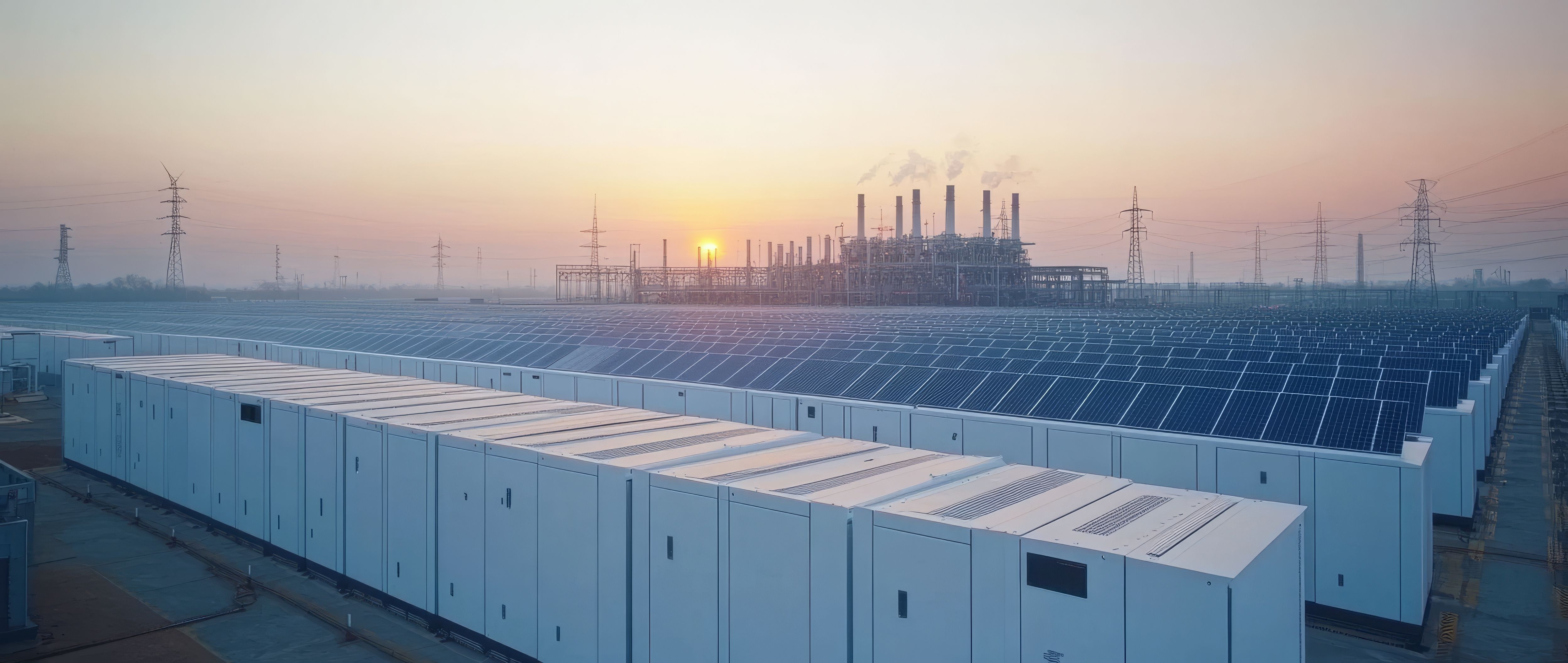
Falling installation costs of solar energy and new government incentives are making solar more attractive to homeowners, businesses, and utilities. Provinces like Alberta and Saskatchewan, ‘rich in sunshine’, are seeing a boom in solar development. According to Natural Resources Canada, Canada's installed solar PV generation reached 4.3 TWh by 2020, up from 0.3 TWh in 2010.
Across Canada, rooftop and community solar projects are creating local jobs, increasing energy resilience, and reducing strain on the grid. In rural and Indigenous communities, solar installations are offering a path away from costly diesel generation. With battery storage becoming more affordable, solar is now viable even in remote or off-grid regions. As a distributed, scalable energy source, solar is essential for building a modern, flexible grid.
According to Clean Energy Canada, jobs in clean energy are expected to grow by nearly 700,000 by 2050, more than doubling from 2025 levels. Clean electricity generation alone is projected to add 64,000 jobs, and construction and installation of clean energy projects will contribute over 500,000 jobs by mid-century, providing significant employment opportunities across rural, urban, and Indigenous communities
Provinces Expanding Energy Infrastructure
To meet the projected doubling of electricity demand by 2050, major investments are already underway. Hydro-Québec plans to invest $185 billion in capacity and reliability upgrades (The Canadian Press). British Columbia has committed to nine new wind projects, boosting supply by 8%, which is enough for 500,000 homes (NRCAN). Ontario is ramping up procurement targets to meet growing industrial and residential demand.
While these investments may seem substantial upfront, postponing them could lead to far greater costs over time. Aging infrastructure, increased outages, and rising repair costs could put a heavy burden on both governments and consumers. Investing now in modern, clean, and resilient energy infrastructure helps avoid those future costs, while supporting economic growth, job creation, and energy affordability.
Smart Policy is Key
Canada’s clean energy advantage is real, but realizing its full economic potential will require bold action. Governments must prioritize grid modernization, streamlined permitting, and interprovincial coordination. Support for solar, including tax credits, net metering, and local incentives, will be vital to unlock its full potential.
By embracing solar alongside other renewables, Canada can grow its economy, reduce emissions, and deliver affordable, reliable energy to Canadians today and for decades to come.
Take the first step today, connect with Electricity Council of Canada and join the movement driving sustainable growth across the country.